Adult-Onset Neurological Disorders and Cellular Repair
As the global population ages, neurological conditions are becoming more common each year. Diseases such as Alzheimer’s and Parkinson’s are expected to increase significantly in the coming decades.
In the face of this growing challenge, focusing only on symptom control is often not enough.
At MDTurkey, we combine the strengths of conventional medicine with regenerative approaches, including Stem Cell and Exosome Therapies, to support healing and recovery at the cellular level.
Our goal is not only to help patients live longer, but to help them live with better function, comfort, and quality of life.
How Do Neurological Diseases Progress?
Many neurodegenerative diseases begin quietly. Over time, nerve cells in the brain may lose their connections or gradually become damaged.
As this process continues, symptoms such as:
- memory difficulties
- tremors
- balance problems
- movement changes
can begin to appear.
Once the level of cellular damage becomes advanced, the body’s own repair systems may struggle to keep up.
Conventional Treatments and Their Limitations
Most standard treatments today are designed to:
- Relieve Symptoms: Helping patients function better day to day
- Slow Progression: Delaying worsening to a certain degree
However, an important limitation remains:
these treatments do not directly focus on repairing damaged nervous tissue.
Even with medication, the underlying cellular loss may continue. This is where regenerative medicine may offer supportive potential.
Our Clinical Focus Areas
- Alzheimer’s Disease and Dementia
Condition Overview
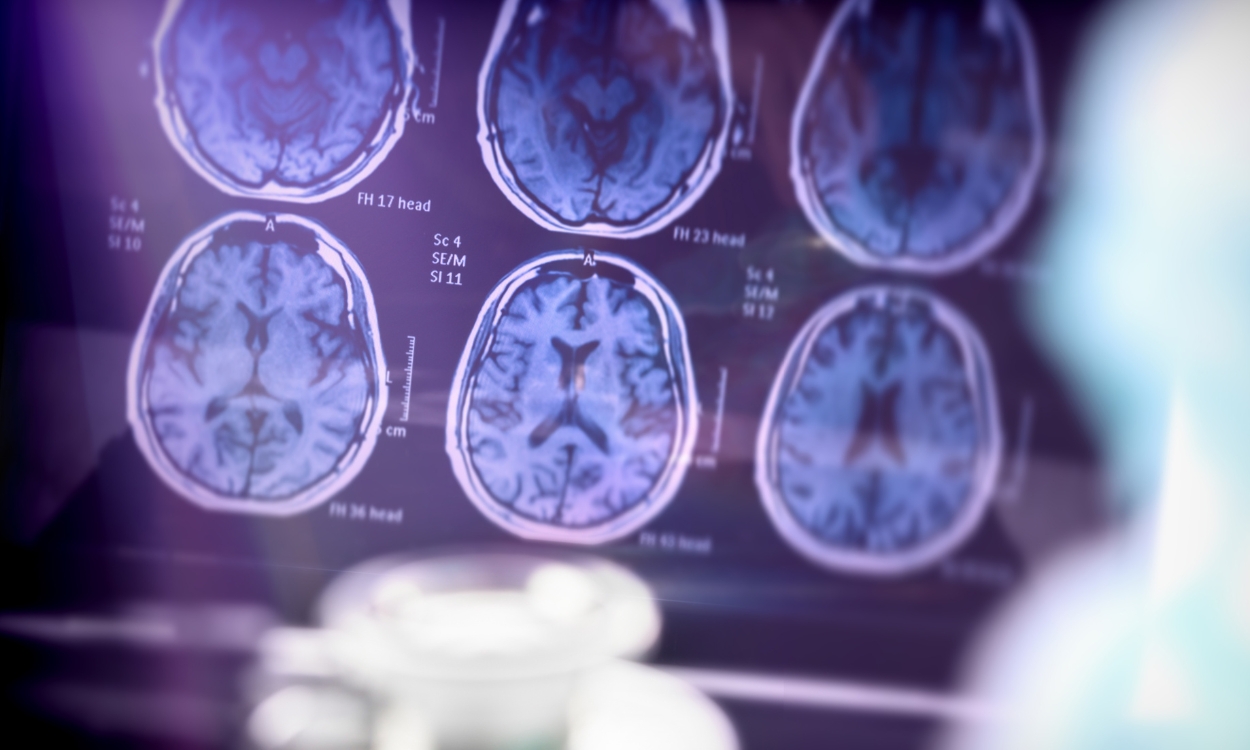
Alzheimer’s disease is the most common cause of dementia. It involves progressive damage to brain cells, which affects memory, thinking, and daily independence.
Early signs may include forgetfulness and difficulty learning new information. Over time, patients may experience confusion, disorientation, and increasing need for support.
Conventional Treatment
Current medications mainly aim to temporarily support brain communication and memory function.
Our Regenerative Approach
With Stem Cell and Exosome Therapies, our goal is to support brain health by reducing chronic inflammation and helping protect cellular connections.
Rather than focusing only on memory, we aim to help patients maintain clearer awareness, daily engagement, and quality of life for as long as possible.
- Parkinson’s Disease
Condition Overview
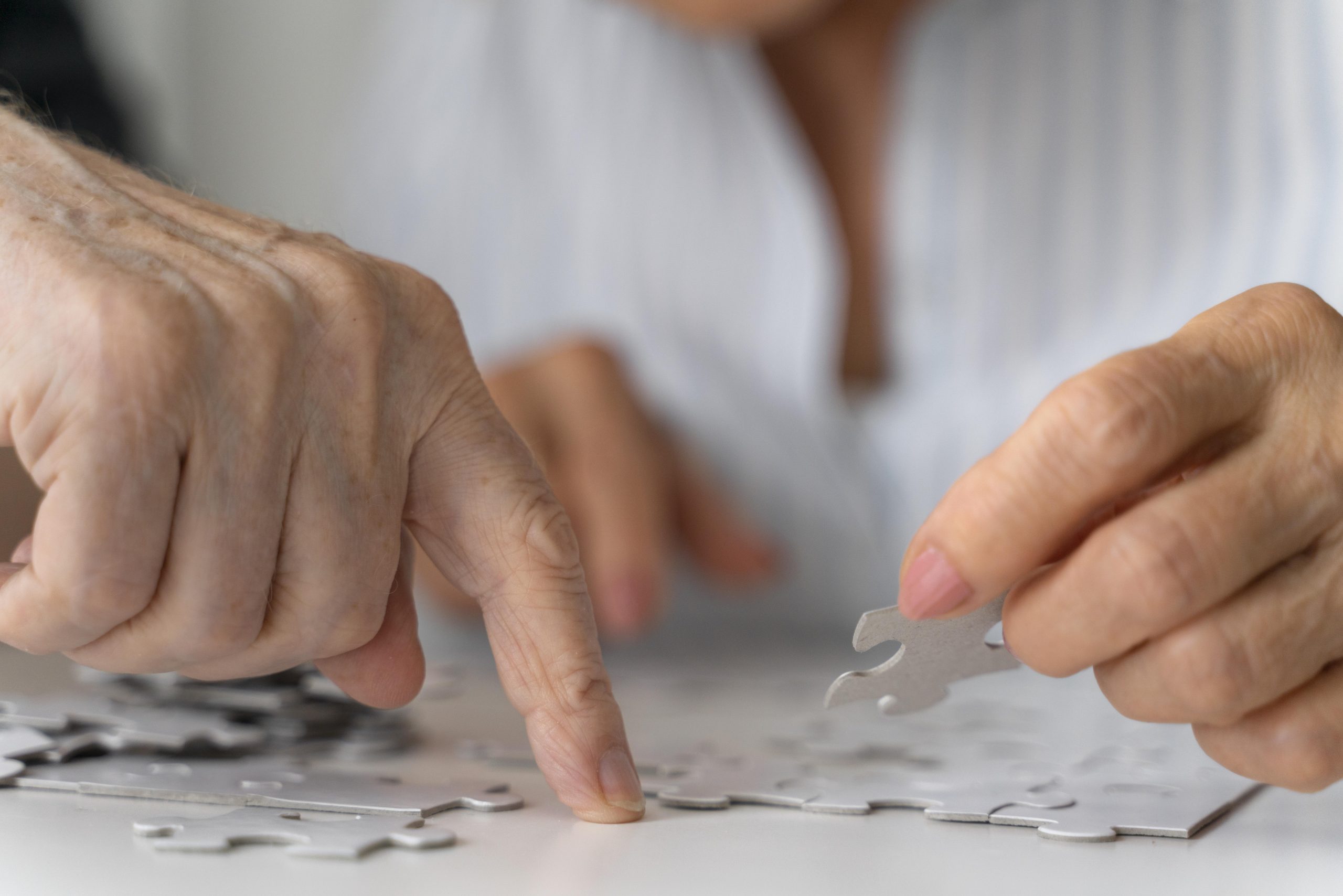
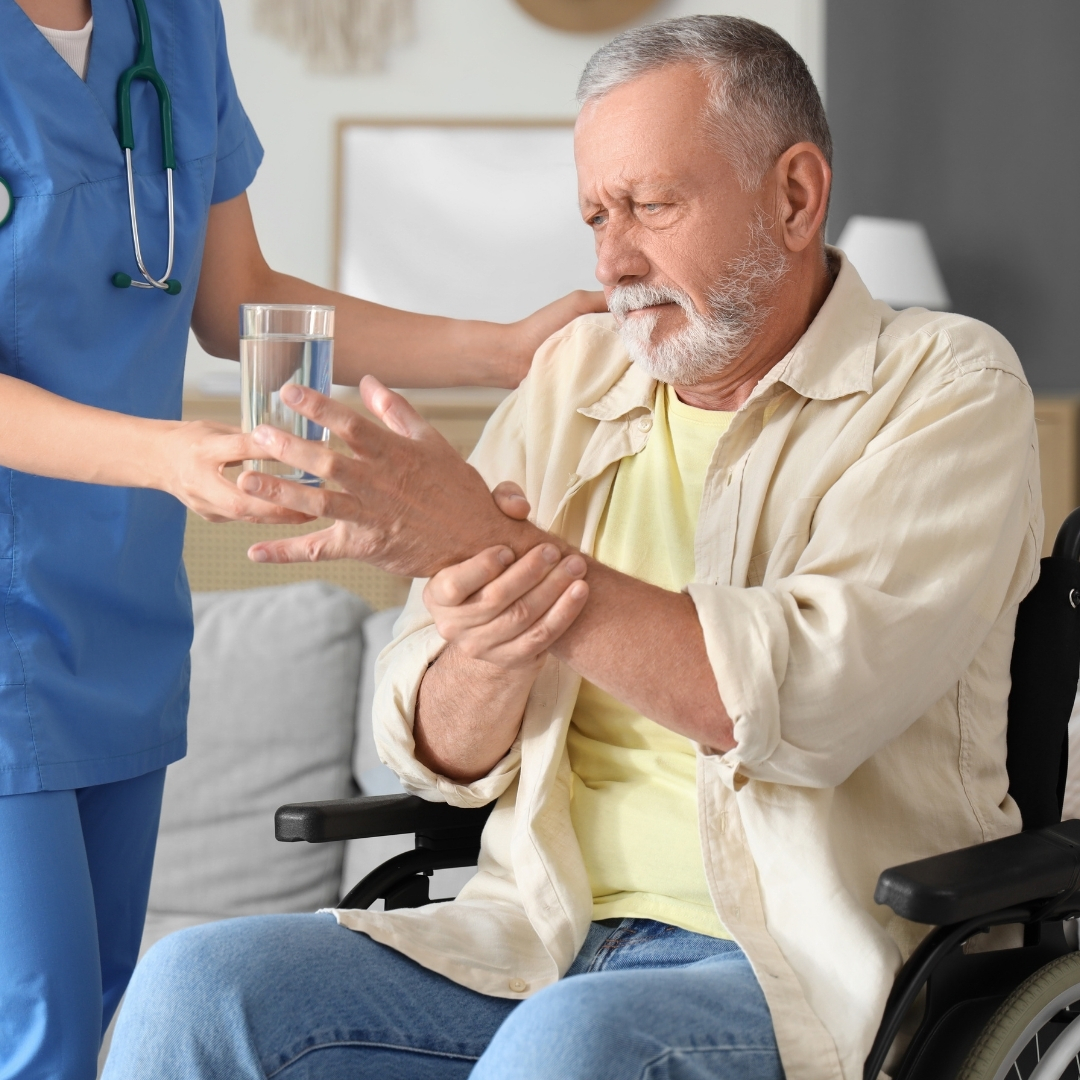
Parkinson’s disease develops when dopamine-producing cells in the brain gradually decline. Dopamine is essential for smooth and controlled movement.
Symptoms may include:
- hand tremors
- slowed movement
- muscle stiffness
- balance difficulties
Conventional Treatment
Most patients are treated with medications such as levodopa to support dopamine activity, although effects may change over time.
Our Regenerative Approach
Our aim is to support cellular repair processes that may contribute to better neurological function.
The focus is not only on tremor control, but also on improving stiffness, mobility, and daily independence.
- Multiple Sclerosis (MS)
Condition Overview
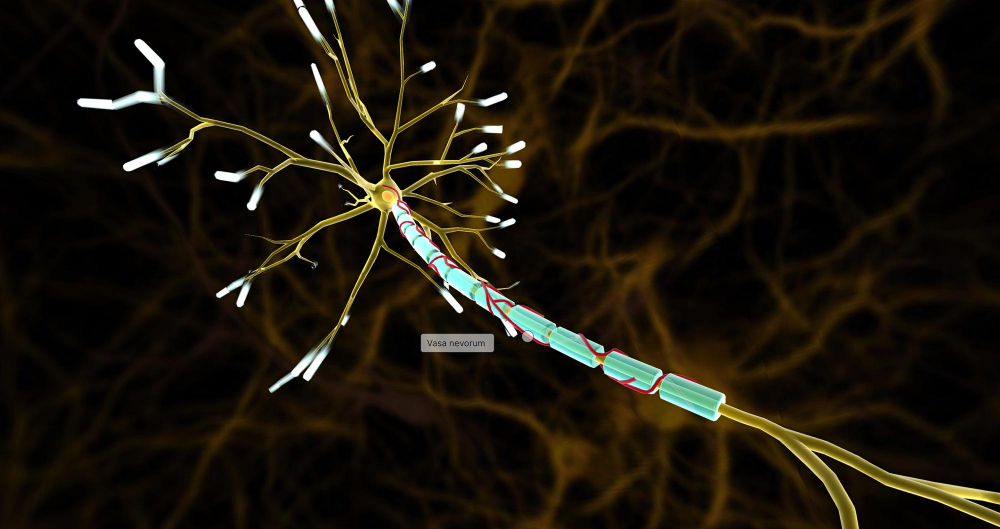
Multiple Sclerosis is an autoimmune disease in which the immune system attacks the protective covering of nerve fibers (myelin).
This can disrupt nerve signaling and lead to symptoms such as:
- numbness
- vision problems
- weakness
- balance disturbances
- flare-ups over time
Conventional Treatment
Standard therapies focus on reducing immune attacks and lowering relapse frequency.
Our Regenerative Approach
We aim to support repair mechanisms in damaged nervous tissue and help stabilize inflammatory activity.
Our goal is to reduce disability progression and help patients remain active in daily and social life.
- Post-Stroke Sequelae (Paralysis and Recovery)
Condition Overview
Stroke occurs when blood flow to part of the brain is interrupted, causing sudden cell injury.
Common long-term effects may include:
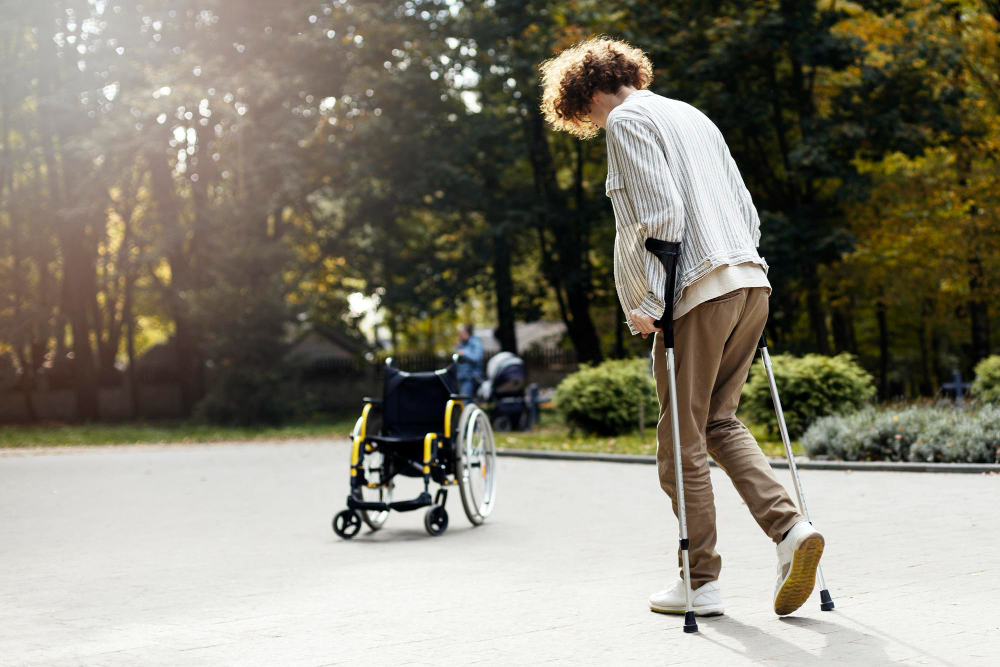
- paralysis on one side
- speech difficulties
- loss of coordination
- reduced mobility
Recovery often slows after the first months, especially in chronic cases.
Conventional Treatment
Rehabilitation and physical therapy remain the foundation of stroke recovery.
Our Regenerative Approach
Even in later stages, our goal is to support cellular-level healing around the affected brain areas.
When combined with rehabilitation, regenerative therapies may help improve function and support recovery of abilities such as movement and speech.
Start your healing journey today
- İhsaniye Mahallesi Hazırol Sk. Ünal İş Merkezi No:5/301 Selçuklu/Konya
+90 545 359 86 16